Why this matters: Strategically sound messaging fails when nonverbal cues signal internal distress. Research in evolutionary neuroscience shows that audiences prioritize body language over spoken words, meaning subtle stress responses like neck-touching, pen-clicking, or frozen postures can instantly erode trust among boards, investors, and employees. For business leaders, regulating micro-gestures is essential to project authentic authority under high stakes, prevent cognitive stress from sabotaging executive presence, and maintain organizational alignment when it matters most.

Imagine an all-hands town hall at a global enterprise. Employees across continents join as the executive team announces a major strategic shift and significant layoffs. The CEO delivers prepared remarks on resilience, long-term growth, and agility.
The message is polished, and the strategy is clear. However, as the CEO speaks, their fingers clasp tightly, they rub the back of their neck, and they adjust their collar.
In that moment, trust begins to erode before a single restructuring detail is shared. Subconscious perception networks process nonverbal cues in milliseconds. When there is a mismatch between a leader's calm words and tense posture, the audience's nervous system defaults to the physical signal. Simply put: when spoken words and body language clash, audiences almost always trust what they see over what they hear.
Here is how to get it right.
The Neuroscience of Limbic Leakage
To align your physical presence, you need to understand behavioral science under pressure. Dr. Paul Ekman, a leader in nonverbal communication, identified gesture types that reveal internal emotional states during critical moments:
“Illustrators” enhance your credibility. These natural hand movements frame, support, and emphasize your words. Gestures such as spreading your hands to show scale or using rhythmic downward motions to highlight objectives signal clarity, conviction, and authority:

“Manipulators” and adaptors act as your silent tells. Unconscious self-touching or object-handling behaviors, such as wringing fingers, twirling a ring, clicking a pen, or rubbing the neck. These actions often signal underlying stress:
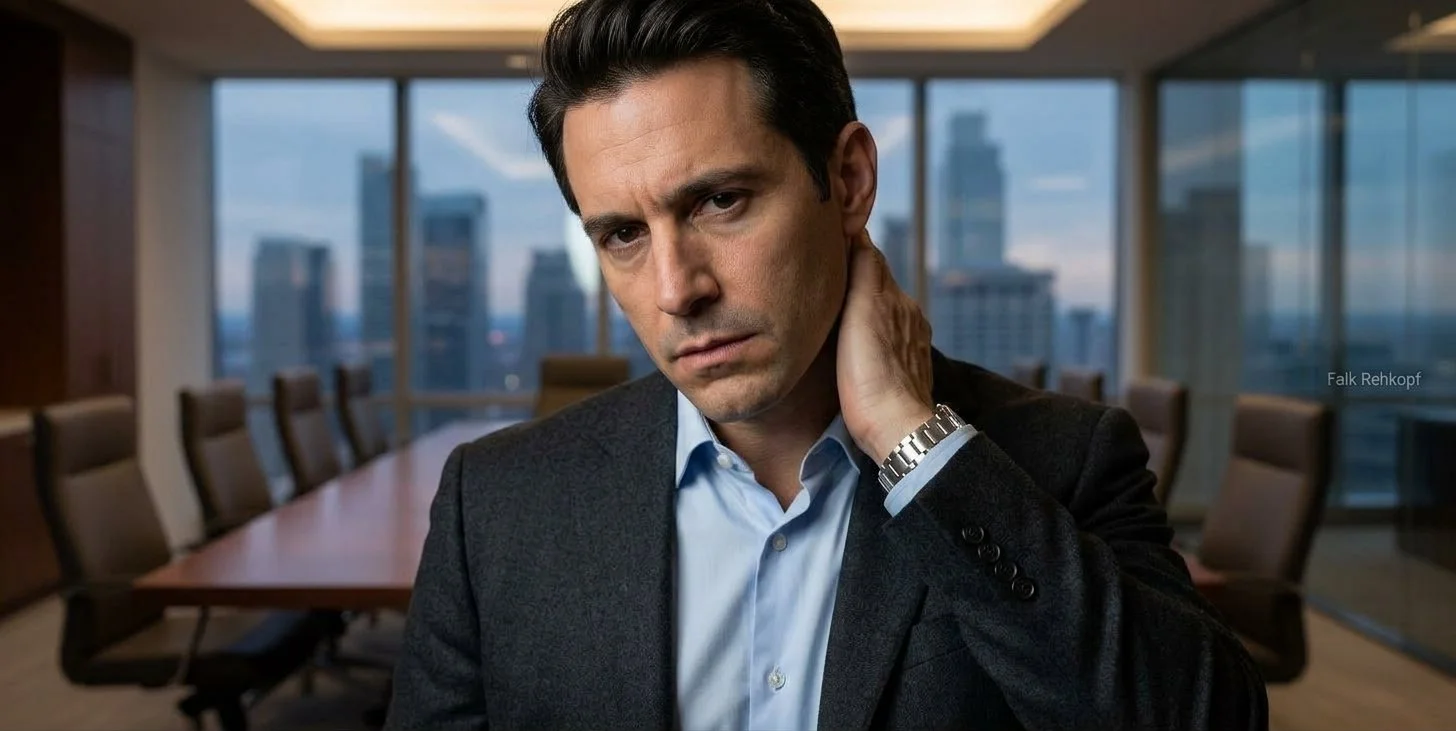
“Micro-expressions” leak your unfiltered truth. Involuntary facial expressions that flash across the face in a fraction of a second, revealing suppressed emotions before conscious control can intervene:

Under high pressure, our brain's limbic system defaults to survival mode. Seeking homeostatic balance, the nervous system triggers pacifying behaviors (adaptors) to stimulate nerve endings, regulate stress, and artificially lower the heart rate.
The Cognitive Load Paradox
As leaders navigate situations of intense scrutiny, such as hostile board questioning or high-stakes media interviews, the demand on the prefrontal cortex increases significantly. High cognitive load diverts processing resources away from nonverbal control, which can reduce the spontaneity of movements governed by the motor cortex. As cortisol levels rise, natural illustrator gestures may diminish, potentially making an individual appear stiff, guarded, or physically restrained.
At the same time, evolutionary biology introduces another challenge through interpersonal neural synchrony. An audience does not merely listen to a leader; their mirror neuron systems may subconsciously reflect and internalize the leader's psychological state. When a leader exhibits subtle self-soothing behaviors, the audience may unconsciously mirror that emotional tension, potentially triggering micro-stress responses in board members, investors, and team members.
While self-soothing mechanisms might temporarily reduce internal stress, they can also undermine perceptions of executive authority. As a leader carefully chooses their words, their body language may convey hesitation or defensiveness to an audience that is naturally inclined to mirror their demeanor.
The Leadership Audit: Eliminating the Silent Tells
Executive presence also refers to the ability to remain physically composed during periods of volatility. While you can't eliminate workplace stress, you can assess your physical habits and replace stress-driven behaviors with intentional, grounded gestures.
Record your next high-stakes presentation or ask a trusted executive coach to identify your default stress responses.
The Neck Touch or Collar Adjust
What it signals: Extreme vulnerability, self-doubt, and elevated stress.
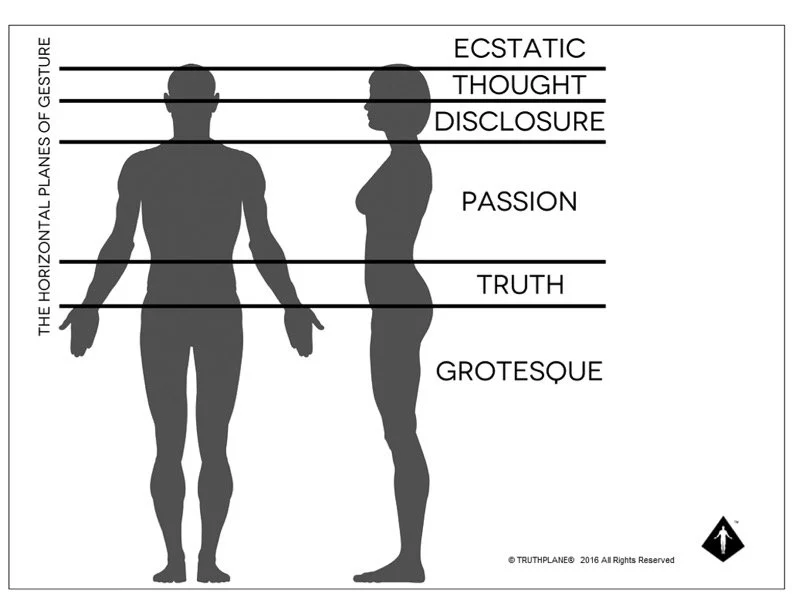
Executive replacement: The “Truth Plane”, i.e., keep gestures anchored at navel height to signal grounded control:
The Hand-Wring or Tight Clasp
What it signals: A defensive physical barrier, feeling exposed, or feeling cornered.
Executive replacement: Open-Palm Framing, i.e., present open palms to communicate transparency, safety, and a lack of hidden agendas.
The Prop Play (Pen Clicking, Ring Spinning)
What it signals: High cognitive load, stalling, and internal discomfort.
Executive replacement: Baton Gestures, i.e., use calm, rhythmic downward hand motions to emphasize key strategic points with certainty.
Reading the Room: Nonverbal Intelligence (NQ)
Aligning your micro-gestures is not just an exercise in self-control; it is a valuable tool for understanding your organization's emotional climate.
When a direct report relies heavily on self-adaptors during a performance review, board update, or project pitch, such as wringing their hands, touching their throat, or physically shrinking, recognize these behaviors as stress responses. They do not indicate a lack of competence or preparation.
As a leader, this nonverbal data is your cue to pivot:
Acknowledge the Signal: Spotting a spike in adaptors tells you the cognitive or emotional load in the room has crossed a critical threshold.
Lower the Temperature: Pause, soften your vocal cadence, or adjust your physical posture to reduce perceived threat.
Restore Safety: Ask an open-ended question to shift the room from defense mode back into collaborative problem-solving.
Commanding Your Physical Narrative
Refining your slide deck and rehearsing your talking points are important, but executive presence depends on your physical composure during the pauses between statements, especially under pressure.
By assessing your pacifying behaviors, anchoring your gestures at navel height, and interpreting the stress signals of others, you can turn nonverbal cues into a source of authentic authority.
+++

If you want to improve your leadership skills, broaden your impact inside your organization and beyond, or simply require an experienced outside partner, then please book an initial, no-obligation chat here.